Showing posts with label food. Show all posts

Monday, 26 April 2021

Love Food Hate Waste

We hate throwing away food. And yet... it happens. Not as often as before, but still. Every little bit that gets thrown away weighs on us.

Sometimes it's because things migrate to the back of the refrigerator and well... we lose sight of them and by the time we find them... oops... too far gone.

Sometimes it's because the produce we buy has already started down the road to decay. I'm looking at you avocados! Sooo expensive and they look fine on the outside. But when you open them up, they're all brown and icky. And then there are the bags of mandarins or oranges which have one that is has already gone off.

Or the limp stalks of celery... but those can usually get repurposed for soup stock!

Apparently we are not alone. We received a waste management newsletter from our regional district a few weeks ago. They are aiming for Zero Waste... our goal is 90% waste reduction by 2030. We are only at 67% waste reduction... but we're getting there!

They had a short article on food waste which really shocked me. One third of all food produced globally is wasted! That's just mind-boggling. That food gets wasted from the farm to the table... all along the food production route. From squiggly potatoes that don't look "perfect" to wastage in transit, to wastage in grocery stores to wastage in our fridges to wastage off the plate. 

Love Food Hate Waste Canadian stats

And look... every day in Canada... every DAY... we waste 1,200,000 tomatoes... 2,400,000 potatoes... 450,000 eggs. Every day. WTF?

That's 2.2 million tonnes of food every year... tossed. Not only is a waste of food, but it's a waste of water, fertilizer, energy, gasoline, labour, etc, etc. Oh, and it's a waste of money too... Those 2.2 million tonnes of food waste cost us over $17 billion dollars a year... and contribute to our greenhouse gas emissions...

Want some more stats?

  • Canadians are among the worst of the developed nations when it comes to food waste, with about 47 percent of food waste occurring in the home
  • 63% of household food waste in Canada is avoidable
  • An average household throws away $1,000 of edible food per year.

 Sheesh...

There's a website which aims to help us waste less food, with tips on everything from how to store produce so it stays fresh longer, to meal planning and portion sizes. Some great tips for all of us... and most of them are just small steps... but make a big difference!

Monday, 4 January 2021

What's in Your Freezer?

Have you ever lost anything in your freezer? Of course you have. We all have. Most freezers are bottomless black holes, particularly chest freezers. "Oops... forgot we had that roast... now it's totally freezer-burnt!" It always annoys me when we have to toss food away...

Fridge freezers aren't much better, be they the traditional top-mount ones or the pull-out drawer ones. Our fridge freezer is on the bottom of the fridge but consists of two doors, one for each side. There are three pull-out racks on each side which, you might think, would make it much easier to organize things but... such is not the case. It just means it's easier to lose something and then have to hunt through six different racks trying to find the elusive item.

Oh sure, it starts out as organized... we have a plan for what food will go into what rack but... over time, a rack will be too full, so we put something into a place where it does not belong and...very quickly... we lose track of what is in the freezer. Sigh.

And our chest freezer, which is tiny (5 cubic feet) can still lose things. Particularly if they cycle down to the bottom... you have to haul everything out in order to figure out what might be in the frosty pit. It's not the most efficient system in the world. And... ***cough***... sometimes we are too lazy to label bags or containers. "We'll remember that this is pea soup, right?" Nope... turns out apple sauce and pea soup can look remarkably similar through blurry, frosty plastic containers.

For a while, we had a laminated sheet of paper where we would try to keep track of what we had in the freezers and how much. That was when our fridge freezer was just the regular top-mount one. Two freezers... easy... nope. It worked for a while and then we'd get behind and... it all fell apart. Now, with a fridge freezer that has, essentially, 6 compartments, a two-sided piece of paper isn't going to work.

So I started snooping around for a freezer app. Surely someone must have come up with such an idea. Turns out that they have... many different options.

I took a look and downloaded an app called Items in my Freezer... it looked pretty simple.


I was able to add different freezer areas - so Chest Freezer - basket, Chest Freezer - shelf, Chest Freezer - bottom, etc. And then each pull-out rack in our fridge freezer got it's own section as well. I then did a freezer inventory coupled with some reorganizing and entered it all into the app. Voila! Instant freezer inventory. And it is relatively easy to update it as we consume things or add things. The only hiccup is that it doesn't allow us to sort by categories. So if my partner asks if we have any more baked beans, I have to scan the various freezer lists to see where baked beans show up (some are upstairs for easy use and some are in the chest freezer). It's annoying. But it's also free... and yet... annoying.

So I have been snooping around some more looking for an app that would allow us to categorize things and sort better. It would also be nice if the app were shareable so my partner could have it as well.

And I came across an called Frizor (it's by French developers - hence some of the quaint spelling mistakes).

It has ads or you can buy a subscription which costs €1/month (about $1.50/month) or €7/month (about $11/year). It has categories (veggies, meat, fish, starters, desserts, individual dishes, etc) and you can sort by all sorts of things, freezing date, categories, alphabetical or expiration date. I just downloaded it and am going to have to go and do another freezer inventory but... I think it has potential and it might be worth the cost. We'll try it for a while with the annoying ads and then see how it goes. It might be worth the annual cost (breaks down to $1/month) just in limiting the amount of stuff that gets wasted. Although... since we've gone meatless, there is much less of that!

I'm going to give it a try for a few weeks and will report back on how it goes...

How do you keep track of your freezer stuff?  Heck, do you even keep track of your freezer stuff?

Friday, 16 October 2020

In the News - When is Bread not Bread

Did you see the news article about Subway's bread quibble with the Irish state? The Irish courts ruled that since Subway's bread contains 10g of sugar for every 100 grams of flour... it doesn't count as bread. Apparently Subway was trying to get around the VAT (Value Added Tax) by saying that their sandwiches and their bread are "staple food". But the Irish system says that in order to be called "bread", the object in question can only have 2g of sugar for every 100 grams of flour. Beyond that... you're looking at cake or some other confectionary. Sooo... Subways sandwiches now get slapped with a 13.5% VAT...

Wow.

So I dug into Subway's site to see for myself... It's kind of hard to tell since, while they list the sugars in a typical 6" piece of bread, they don't list the amount of flour. Although, the carbs are there... so let's see...

A 6" 9-Grain Wheat bread has 36 grams of carbs and 3 grams of sugars. Yep, that's around 10%. And the 6" 9-Grain Honey Oat has 39 grams of carbs and 5 grams of sugars. Ooops... way more than 10%. So, yes... it would appear that Subway bread is, in fact, not bread... at least not by the standards of the Irish system.

Mind you... sugars are present in flours too, so this might not be an exact correlation. I had a look at my favourite rye bread and it contains no sugar in the list of ingredients but still has sugar in the list of nutrients. I presume that the Irish courts actually got to see the Subway bread recipes...

Here in Canada, we seem to have a different standard. Sandwiches are taxable by the GST or HST unless they are frozen, mostly because they are considered ready-to-eat with very little preparation. Whew... at least we don't have to wonder if our bread is actually bread!

Wednesday, 2 September 2020

Trying Tofu

Tofu. Ick.

No, seriously, I hate tofu. I hate the texture of it. I hate the idea of it... soft, tasteless, dissolve in your mouth ickiness.

I am not a big fan of tofu.

I know I've eaten it because I've had lots of Thai food that has snuck tofu in under the radar. "Wait... was that a piece of chicken... that didn't feel like chicken... ick!". I never got to the point of doing a seek pick-out mission in my Pad Thai... not like I would do with mushrooms. I just tried to pretend it wasn't there...

And, going whole-food, plant-based... well... you know tofu and I were due to have a show-down. I know it's a great source of protein but I had also heard all sorts of horror stories about it mucks with your hormones and causes breast cancer. So... I kept a wide berth around tofu. We could just eat legumes... yes... lots and lots of legumes.

Last fall, we tried a meal delivery service and... one of their meals was sesame-crusted tofu. We thought... let's give it a try... it can't be that bad.

Just take a hunk of tofu, cut it in half horizontally... coat it with sesame seeds and fry it up. Easy... and it looked tasty on the picture (at left). Right?? Looks good, doesn't it! But... photos can lie...

As we tried our first bite of pillowy tofu... both of us looked at each other. "Umm... not the greatest... let's try another few bites." After two bites, my partner couldn't take it anymore. I think I made it halfway through my slab of tofu but... eventually even I had to admit defeat. We looked at the poor, sad tofu... then at each other and both agreed... "Let's go get take-out burgers". That was our one and only fail with that particular meal delivery service.

Fast forward nine months and we are trying another meal delivery service... one that offers animal-protein-free options (i.e. vegan). And... as part of that... they use a lot of tofu. We were a bit skeptical but... a friend of ours who eats plant-based had said that the trick with tofu is to cut it into cubes and then stir-fry it... make it nice and golden and crispy. This new meal delivery service seemed to use that method. So... we sucked up our courage and tried again.

The first meal we had from this new meal delivery service was a teriyaki stir fry with tofu... and... cue the music... it was amazing. We both licked our plates. What the heck?? It was easy to cook... and... it was yummy and, since it used extra-firm tofu, we could almost convince ourselves that it was a piece of well-cooked chicken. (see pic below) Yum!

We dove into tofu recipes with both feet and have tried different options... some from the meal delivery service and some from home.

Last week we made a Yellow Thai Coconut Curry with potatoes, carrots and tofu. It is one of our favourite meals from Thai restaurants and we thought... we'll try it at home, except, instead of chicken, we'll make it with tofu. It was seriously scrumptious.

Now... I know what you're thinking. Our massage therapist expressed the same concerns... tofu is bad. It mucks with your hormones and causes breast cancer.

No.

You would need to eat boat loads of tofu and drink tanker trunks full of soy milk to get those sorts of problems. In moderation (like all things), one or two servings of soy products (soy milk, tofu, edamame beans, etc) per day is beneficial. And, like most things, try and get soy in the least processed form... the more processed it is... the worse it can be (like all foods).

When I met with a dietician last fall, she recommended soy products for menopausal hot flashes. I asked her about the "dangers" of soy products and she told me what I just told you. For those interested, Runner's World has a nice overview of the whole soy debate. There are other articles out there but I liked this one because it was fairly comprehensive and accurate.

Now... the one thing with stir-frying tofu is... it has to be fried in oil... which isn't great so... we are going to pull back the reins of this method of consuming soy and restrict ourselves to once or twice a week. We still have our excellent stable to legume recipes and are going to treat stir-fried tofu recipes (like Yellow Thai Coconut Curry and Pad Thai) as treats... Sigh...

Thursday, 30 July 2020

Eating by the Traffic Lights


What the heck is Traffic Light Eating? I asked the same question a few months ago when I came across the concept. It's really quite simple... Green Light foods can be eaten with wild abandon, Amber/Yellow Light foods should be minimized and Red Light foods... well, they should be avoided.

I kind of liked the little comment in the diagram at right: "Just like running red lights in the real world, you may be able to get away with it once in a while, but you wouldn't want to make a habit out of it." So true!

If we break it down a bit more...

Green Light Foods
These are unprocessed plant foods, as close to how nature made them as possible. Whole grains, beans, legumes, nuts, seeds, fruits, veggies, herbs and spices. Some green light diagrams also include eggs and lean meats in here, which is a bit confusing. Given how damaging animal protein can be to our bodies, I can see why they should be included in the yellow category.

Amber/Yellow Light Foods
These include a lot of processed foods, things like refined grains, burgers, fries, pancakes, hot dogs, pizza, sugary cereals, etc as well as unprocessed meats. This would also include dairy, eggs and meat and fish.

Red Light Foods
Here, we are into a lot of the oh-so-yummy things - soda, chocolate, chips, cookies, etc. and ultra-processed foods.

The thing that I noticed, as I reviewed different images of Traffic Light Foods is... things move around. As noted above... some plans have lean meat as a Green Light food while in others its an Amber Light food. Or burgers can be Amber or Red... Dairy moves around... Oil moves around... which really makes me wonder what Big Industry lobbies are behind these different schemes.

I found an article on The Washington Post that explains why Traffic Light Eating is not so black and white... or red and green. Which just makes me wonder if its a useful concept at all?

The image I've used above is from NutritionFacts.org, operated by Dr. Michael Greger (author of How not to Die and How not to Diet). He advocates eating whole food plant-based as much of the time as possible and dipping into the amber and red foods on occasion, but only if it helps to encourage eating the green light foods.

If sprinkling bacon bits on a salad helps you to eat the salad... then sprinkle away.

On the other hand... we made a choco-zucchini loaf the other day since we are starting to get buried under our super-productive zucchini plants. Flour, sugar, oil, cocoa powder and more than a cup of chocolate chips helped us to eat one cup of shredded zucchini. In this case... I'm not sure that eating all that red light stuff is helpful in promoting the consumption of one cup of zucchini... Greger has also published a short (7 minute) video about how he sees traffic light eating, which makes a lot of sense...

Traffic Light Food Labels

But there is another form of traffic light food... looking at the actual sugar, fat, salt, calorie content of the food. I've seen this more in the UK... not so much in Canada yet... although it is coming! The idea is that current nutrition labels on food are confusing to the general public. Who really has time to figure out what is healthy and not so healthy on a nutrition label... but... add in colours and put a summary on the front of the package and... it becomes much easier to figure out what is healthy and what is not.

So in the label at right... half a package of the product has really high saturated fat, low sugar and is moderate for salt, fat and calories. I would say... not a great food.

But then... who determines what is low, medium or high? I came across this chart from the UK which outlines how much fat, saturated fat, sugar and salt qualifies as low, medium or high.

But... me thinks that this is really only going to be applicable to processed foods... which, in general... are either Amber or Red Light foods to begin with. Sooo... is this helpful or not?

I mean... if I want a Kit-Kat... is a label like the one below really going to stop me? I guess.... maybe... If I have one once a week... That little two-finger Kit-Kat has that much saturated fat? What does a regular Kit-Kat have!!?


And then... we have something like this oh-so-yummy Starbucks Double Chocolate Chunk Brownie - pure decadent deliciousness... Starbucks has nutrition information on their site... but just a bunch of numbers... I know that 9 grams of saturated fat is probably in the red category (judging by the Kit-Kat numbers above)... But what about the rest? How does it fall in the grand traffic-light food labeling scheme? Sigh... As I feared... red light for Fat, Saturated Fat, Sugar and... yellow light for Salt (200mg Sodium = 0.55 grams of Salt). Luckily, I only have one of these a week but still... If I had to barrel past all those red lights every time I ordered one... I might reconsider it.

I decided to play around in Publisher and...created my own Traffic Light food label for a Starbucks brownie... if I saw this every time I ordered one... would I still order one every week?
It's a good question... In the UK, they seem to believe that front of label packaging helps people make healthier food choices... and... this might be the case here too... I'm going to guess that all whole food, plant-based items will get green lights across the board... the question will be... what will meat, dairy, egg and processed food packaging look like? Can't wait to see!

Tuesday, 21 July 2020

Meatless Meal Planning

We signed up for a meal delivery service a few weeks ago. This one is called FreshPrep, is based in Vancouver, and offers meals with no animal protein (no meat, fish, eggs or dairy). It's a bit of an experiment and we only get two meals a week but... we are trying to wrap our heads around tofu and... so far, things are going well.

Our first meal was Sweet & Spicy Tofu Stir Fry with Snow Peas, Mushrooms and Sriracha Teriyaki Sauce. We were a bit skittish about this meal since it had (a) tofu with which we have had bad experiences and (b) mushrooms which we both hate with a passion. But... we soldiered on and gave it a try. I cut up the tofu into centimetre chunks and while the recipe called for sliced mushrooms... I seriously diced them into near invisibility. What you can't see or chew won't hurt you! And.... as we gingerly chewed our way around the tofu... the verdict was... YUM!! We actually both loved it. The mushrooms were practically invisible and the tofu texture was palatable. Kind of like well-cooked chicken.

Our second meal with FreshPrep was a Spring Vegetable, Lentil & Quinoa Salad with Sweet & Spicy Cashews. Score two for two! It was seriously yummy as well and introduced us, in a nice way, to fennel. We had tried a fennel lemon salad (a la Jamie Oliver) a few years ago and found it... inedible. But... this version through FreshPrep was very good and we would definitely do it again.

See, that's the thing... you order these meals from the delivery service, figure out if it's yummy or not and then... you recreate it from scratch whenever you want... easy peasy way to try out new recipes and, for us, new ingredients.

We aren't 100% reliant on the meal delivery service... obviously. I've been trolling through the internet looking for good recipes and we had some plant-based recipe books from the library during the Covid-19 lock-down... so we have a good dozen recipes that are our go-to meals at this point...

Last week, when we gave away our stash of frozen meat, our friends asked us... but how do you plan a meal without meat? I get it... without meat at the heart of a meal... how do you figure out what to cook??? Well... we kind of go by what legumes we're in the mood for... or what flavours we are looking for. Do we want to go Mexican today? Or have a curry? Or maybe some sushi. A lot of it depends on how much time we have as well, since we eat our main meal at lunchtime. I don't want to spend most of my weekday mornings cooking... so we do a lot of cooking and freezing on the weekends.

Some of our favourites are:

Pita Tostadas with Butternut Squash, Black Beans and Avocado.
This recipe is super easy and super yummy... the biggest time factor is baking the butternut squash but... you only need about half a squash so we just bake it, mash it all up and then save the remainder for next-time tostadas. If you have mashed frozen butternut then whipping this together is a breeze.

We particularly like the freshness of the lime juice in the beans and the yogurt drizzle. And yes... we found that almond yogurt, while not really edible on its own, makes a good substitute for the drizzle.

A couple of tips... this is insanely messy to eat so we have learned to wrap the rolled-up tostadas in aluminum foil like they do with donairs... way less messy.


Coconut Curry Lentil Stew with Spinach & Currant Salad
We got this recipe from GoodFood last year. It is super yummy and one of our staples. We make it in a double batch and freeze the leftovers. It's relatively easy but one does need a few key ingredients like curry paste - which we buy in a jar (we use Patak's mild curry paste). We also go easy on the coconut milk as it is fairly rich in the bad saturated fats. We sometimes just put a tiny can in instead of the 400 ml can the recipe calls for... and we don't save any for the end. Red lentils are easy to cook with and don't require any soaking beforehand. Plus... we try to get a variety of legumes in our diet so... this ticks the red lentil checkbox! The recipe calls it a stew and serves it as a stand alone but we usually have it with rice or farro or some other grain.


Sweet Potato & Black Bean Enchiladas with Avocado-Cilantro Cream Sauce
This receipe came out of the Oh She Glows cookbook and is one of our standbys. [I couldn't find the real recipe online but there is a version of it here...]

It's a bit trickier to make because you have to make the enchilada sauce from scratch which takes extra time. We usually get at least two and a half meals out of this recipe so it's good value for time!

We love the avocado-cilantro cream sauce... which is just avocado, cilantro, lime juice whizzed up in the food processor with some salt and garlic powder. Again... the lime juice just adds a bit of vibrancy to everything.


Coconut Chickpea Curry
I found this recipe online and it has become one of our favourite staples. It uses Garam Masala as the main spice blend which you can buy in any store.

Again, we tend to go easy on the coconut milk and the recipe still works. It's super easy and quick as most of these curry recipes are. Just be sure to have a few cans of chickpeas and diced tomatoes.

We like to add chopped up cilantro and peanuts onto the tops of our curries. The cilantro adds a nice little burst of flavour and the peanuts add some nice texture.


Ultimate Lentil Walnut Loaf
Another recipe I pulled offline, also from Oh She Glows. while we didn't eat a lot of meat loaf back in the day... this lentil walnut loaf has become a serious staple in our lives. It freezes really well and defrosts quickly, so it's great for those days when you go "oh shit, forgot to take something out of the freezer". Mind you... it is seriously labour intensive - there is a lot of chopping and measuring involved in this. But... given that one loaf makes four meals (eight slices of loaf)... the time investment is worth it. The recipe says 40 minutes of prep time but that is not accurate... more likely an hour. It goes quicker if you have two sous chefs working away at prepping the ingredients.


https://camillestyles.com/food/pita-tostadas-with-butternut-squash-black-beans-avocado/

Friday, 15 May 2020

In the News - The Dangers of Dairy

Did you know that there is pus in our milk? Yep... do a bit of digging into the dairy industry and how milk makes its way from udder to glass and you might never drink milk or eat cheese again.

Goodbye hot chocolate (already done)... goodbye Four Cheese Pizza (sigh)...

If that weren't enough... there is growing evidence that drinking milk contributes to a host of health issues, including increased risk of Alzheimers, heart disease, cancers (breast and prostate) as well as Type 1 Diabetes.

I'm not a doctor, even though I have a doctorate. So, while I can't argue the evidence, I can understand it... and it is eye-opening!

Dairy & Breast Cancer
The first link is a CTV news article which indicates that just one cup of milk per day is associated with a 50% increased risk of breast cancer. That doesn't mean if you drink one glass of milk, you have a 50% chance of getting breast cancer... it means if a non-dairy drinker has an 8% chance of getting breast cancer, a dairy drinker would have a 50% greater risk - so a 12% risk. Which isn't high but... if there is already a high risk of breast cancer due to family genetics, something worth paying attention to.

This study landed in February 2020 and there were a lot of cautionary follow-up articles from dieticians trying to stave off the freak-out fits. Still... if you dig deeper... you find that there are more issues with dairy than just a 50% increased risk of breast cancer.

If you're interested in more... I suggest watching Forks over Knives on Netflix. It does a very good job of explaining the dangers of dairy. Or, take a look at the website of the Physicians Committee for Responsible Medicine and what they have to say about dairy.

The latest issues I've come across, which is quite mind-blowing is this...


Bovine Paratuberculosis as trigger for Auto-Immune Diseases
Recent studies suggest that paratuberculosis cells in dairy milk may trigger Type 1 Diabetes. The link above is another video from Dr. Michael Greger which was scary enough. But... here's another one from NCBI (National Centre for Biotechnology Information) which has a Microorganisms journal article.  The title of the article is quite evocative: Cows get Crohn's Disease and They're Giving us Diabetes. But that's not the end of it... in their conclusion, the authors note (I added bold emphasis):

Sufficient evidence points to the fact that until MAP [Mycobacterium avium ss. paratuberculosis] is eliminated from the food chain, it may continue to be said that cows get Crohn’s disease and they are giving us diabetes, multiple sclerosis, sarcoidosis, Blau syndrome, Hashimoto’s thyroiditis, lupus, Parkinson’s disease and rheumatoid arthritis.
Scary, no? By the way... Crohn's Disease in humans can also be linked back to MAP in dairy. It's interesting to note that all of those diseases are auto-immune diseases, where the body starts attacking itself. I have an aunt with Parkinson's disease and two of her adult daughters both have Hashimoto's disease. Did they drink more dairy than my uncle and the two sons? Interesting connection though.

Just in case we're wondering how prevalent MAP is... in 1996, the herd-level prevalence of MAP infection in US dairy herds was 21.6%. By 2007 (11 years later), that number had risen to 91.1%. So 91% of herds in the US were infected with MAP.

But what about Canada? A 2018 journal article tested 362 farms across Canada and found the prevalence of MAP was: 66% in Western Canada, 54% in Ontario, 24% in Québec, and 47% in Atlantic Canada. If you're going to drink dairy or eat cheese... it would appear Québec might be your best bet.

But it's not just in North America, global dairy herds are seeing a huge increase in MAP and this is showing up in dairy products (MAP survives pasteurization) around the world. If that weren't enough... MAP can show up in the meat of diary cattle as well since MAP is shed in feces. And, if you've ever watched what goes on in an abattoir... feces can get everywhere during slaughter. They are also finding MAP in beef cattle as well... not just dairy cattle.

Why don't we hear more of this? Do a google search and there are literally hundreds of articles about MAP in dairy herds and outlining the possible risks to humans. But... remember... the dairy industry is subsidized by the government... and the whole mechanics of going from scientific studies and theories to firm results can take a while.

Maybe less so during this time of pandemic when hundreds of litres of milk are being dumped due to the closure of high-milk consuming industries like restaurants and coffee shops.

Canada's 2019 Food Guide - make water your drink of choice
(not milk...)
Oh... and just in case you're wondering... MAP can live in soil and water for a loonnggg time... so manure lagoons which leach into groundwater and streams and rivers are a problem. As is excess milk that is poured down the drain... or onto the soil.

Long story short... dairy (be it milk or cheese) ain't nature's best food for humans. Plus, it isn't even necessary... we can get enough calcium from plant sources (kale, spinach, water cress, other dark leafy greens, almonds, tofu, beans).

But I get it... milk is a habit. Plus, it's been sold to us by national Food Guidelines for decades... until recently. Note Canada's latest Food Guide at right... water is now the drink of choice. Not milk. Much to the dismay of dairy farmers...
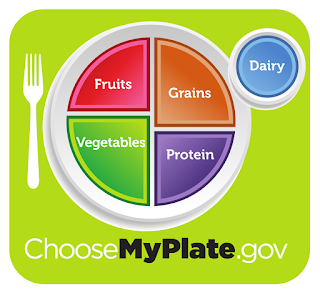
2019 Food Guide of the United States
Compare with the United State' My Plate Food Guide... See... still recommending dairy as the drink of choice... The Harvard School of Public Health as something to say about the US plan... and it ain't pretty...

Milk is a habit... and it's going to take a while for us to get over the hump of changing that habit... Until something happens that makes it untenable to continue in that habit. That point will come.

Oh... and FYI... MAP can spread to sheep, goats and pigs as well as deer and wild rabbits...

MAP... coming soon to an animal protein source near you... dairy, beef, veal, pork, mutton, venison, rabbit... off the table.

Want to ditch the dairy habit? Start with switching to a plant-based milk - soy, oat, almond... so many options. Experiment a bit and find a flavour that you like... start small... but start.

Wednesday, 25 March 2020

Victory Gardens - Dusting off an Old Idea

First, let me say this - we grow a garden every year. Our back yard looks like a little urban farm. When we bought this house 7 years ago, the back lawn was a blank canvas. We started with one raised bed, then two, then four, then six. And now we have a greenhouse as well. None of it is necessarily pretty or worthy of Home & Gardens magazine. But... it works.

And now... we seem to be ahead of a growing trend. I went to Country Grocer on Sunday to get a few odds and ends, as well as some tomato and cucumber seeds. They usually have a great selection of West Coast Seeds but... it looked like the locusts had been through the seed rack.

Now... it is seed planting time here on the West Coast (sorry Rest of Canada). And a lot of people do garden here but this... this seems to be more than the normal run on seeds.

We are still waiting for the first arrivals of veggie seedlings (tomatoes and cukes in particular) but... so far nothing. There are cruciferous seedlings (kale, cabbages, brussel sprouts, etc) and herb babies but... none of the other stuff.

Sooo... we have dug out our seedling starter kits and are going to start some tomatoes and cukes. Oh yes, I did find some seeds on Sunday, but not your typical ones. Cukes were limited to lemon cukes, which are seriously yummy but look like little prickly lemons and I imagine your average novice gardener has no idea what they are like. We also got some little orange cherry tomatoes, again, not your typical tomato variant and left behind by the locusts.

I had actually stocked up on seeds over the last two weeks so we are well set for the spring growing season. Let's take a look at what we grow/have grown/will grow/won't grow!

Veggies
Here's what's already growing in our garden:

  • Kale - your best leafy green ever - we have some old kale from last year which is just starting to leaf out nicely again. We also put in some new kale seeds.
  • Swiss Chard - also a nice leafy green and we have about a dozen plants that over-wintered and starting to bush out again. Haven't planted any new ones yet.
  • Garlic - planted last Oct/Nov and ready for harvest in July. Pretty easy to grow as long as you don't over-water in June. We grow hard-necked garlic and it makes pretty big bulbs with massive cloves - only 4 cloves/bulb.
  • Leek - I've been nursing my leek population from one year to the next and we now have some two dozen leek teenagers. I had bought leek seedlings about four years ago and they overwinter well and divide underground. It takes some patience to wait for the babies/teens to mature but this year might be the year.
  • Onion - we have four stray onion plants that avoided previous pickings. Will see what they develop into. We haven't had great luck with onions though.
  • Asparagus - we have about 4 asparagus plants and I have yet to eat one spear of asparagus. This year might be the year though... 
  • Radish - have a couple of rows of radishes planted last fall. They are starting to fluff up and hoping they will produce some good radishes for eating. Also started a few rows in the greenhouse this spring.
  • Broad Beans - planted some last fall and a few to fill in this spring. We've had moderate luck with broad beans (aka fava beans) and have some in the freezer.
  • Corn Salad - has nothing to do with corn. It's known as Rapunzel in Europe and we have it everywhere. We bought a packet a few years ago and then some of the plants went to seed and... well... we don't need to seed again. It is a tiny plant though and takes a lot of effort to pick and wash and...
  • Mesclun - baby greens mixes - you can get different variations. We planted some in the greenhouse several weeks ago and have started a short row outside. The trick is to plant in stages otherwise you'll be swamped in a sea of green. Easy to grow, quick to harvest. Just use scissors to cut the baby greens and they'll leaf out again at least another two times.
  • Peas - we have some trellises along some of the raised beds where we have planted climbing peas in years past but... this year I found bush peas! Game changer!! Cause they can be planted in any of the raised beds and really help with crop rotation. So we have about 100 bush pea plants seeded.
And here's what's coming onto the horizon soon...
  • Parsnip - going into the ground soon. Haven't ever tried them but going to give it a go this year. We roast them in the oven and they are yummy...
  • Kohlrabi - going into the ground soon. One of the cruciferous veggies - it looks super weird but we tried it a few years ago. The raw flesh is kind of juicy like an apple but tastes a bit like broccoli stalk - very mild cabbagey flavour. I was surprised at how yummy it was having been fed cooked kohlrabi as a kid and hating it with a passion. Makes a good slaw too. Easy to grow too. 
  • Scallions/Green Onions - going into ground soon - we have better luck with these than with regular onions sooo... going to try them again this year.
  • Beets - going into the ground in mid April - we've planted them every year and they always do well.
  • Bush beans - not planted until July but they don't take up a tonne of room and they produce a lot!
  • Tomatoes - as noted, starting them in the seed trays - will then move to greenhouse and maybe some outside pots
  • Cukes - also going to start in seed trays inside and then move to greenhouse
  • Squash - got some butternut squash seeds this year. Likely need to start indoors and transplant in May. We've had mixed results with squash but haven't really been on top of feeding them well. They are heavy feeders so going to give it a better try this year.
  • Potatoes - if we can find the space! We've grown them the last few years and they generally do well although are not huge producers in raised beds. 
  • Nasturtiums - technically a flower but the leaves and flowers are edible in salads! And very yummy with a bit of a peppery nip to it.
What we aren't growing this year:
  • Carrots - we've not done well with carrots. They will look fat and juicy at ground surface, a good inch in diameter but when you pick them... they are all of an inch long as well. It's a watering thing. We'd need to really perfect our slow and low watering with an irrigation system or a little sprinkler or something. But... our summers always have watering restrictions on sprinklers sooo... we are passing on carrots this year.
  • Cabbages - we've grown some from Country Grocer seedlings - green, red and savoy. They did OK but we aren't big cabbage eaters.
  • Broccoli - it actually did amazingly well the one year we got Country Grocer seedlings... but we kind of got overwhelmed by broccoli that year. 
  • Peppers - we've tried them in the greenhouse in previous years... meh. The hot chili peppers did OK but the bell peppers were a wash.
  • Eggplant - we tried that once in the greenhouse and got one eggplant from one plant. Not worth the effort or the square footage! 
  • Spinach - ours always bolts... although we may try it again... there is some disagreement about whether to waste square footage on this again...
Herbs
Herbs we have in our garden
  • Chives - lots and lots of chives... chives everywhere...
  • Oregano - taking over the world
  • Thyme - regular and variegated
  • Rosemary - after several false starts with baby rosemary's dying due to... something... we finally have a good, strong plant!
  • Sage - also several false starts but now have a good, strong plant.
  • Tarragon - a bit concerned since it seemed to die over the winter but... is sprouting from the bottom again - yay!
  • Parsley - we have it everywhere... and it keeps coming back so that's good!
  • Dill - unlike the other herbs, dill isn't a perennial but seeds itself very robustly. We planted dill seeds one year and... like the corn salad, don't need to seed again! It will just start coming up everywhere... 
  • Cilantro - we haven't perfected cilantro yet... not sure what the secret is... but we do have some seeds from last year's plants so will try again. 
  • Mint - would take over the world if it could - several different types
  • Lavender - not an herb for eating per se... although I guess some people do use it that way.
Herbs we are planting this year:
  • Summery Savory - tried it a few years ago and it worked in a pot - doing that again this year... it goes nicely with all the bush beans! It's an annual though... but doesn't self-seed as well as the dill.
  • Basil - maybe. We still have reams of basil pesto from previous crops. It usually does well for us except last year when it was a failure on all fronts.
Fruits
And... we have some fruit too!
  • Pear - tree was here when we bought the house. They are stewing pears and not really eating pears but... they make a darn good pear sauce! 
  • Plum - the nice black ones... but the tree is on its last legs and didn't produce anything last year. The black plum tree is grafted onto a wild plum root stock which means we have little wild plum trees trying to pop up all through the year. One that has been allowed to grow produced some tart little oval yellow plums one year. Hasn't done it again though...
  • Prune Plum - is technically the neighbour's tree but hangs over the fence... super yummy but the tree needs to be watered consistently... so need to stay on top of that this year.
  • Raspberries - hands down the best value for square footage. Given how expensive raspberries are... this is a winning crop. We aren't always on top of the picking though because the crop is a bit much sometimes but... we start our winter with bags and bags of flash frozen raspberries.
  • Blueberries - not really a big grower at the moment. We got a bush off of Kijiji a few years ago and split off two rooted babies. So we technically have 3 plants but only the mother plant produces berries. Need to keep the birds away... We only got a small handful of berries last year but have high hopes for this year.
  • Strawberries - started with 10 plants purchased for $0.10/plant... now have a LOT of strawberry plants. But we need to weed out the old plants and let the satellite plants have free rein. Old plants don't produce as well... And we just got some ever-bearing strawberries last year...
  • Grapes -came with the garden and the neighbour's garden. But then we scavenged a few from an old vacant lot and... we have green grapes in the fall.
  • Fig - little baby fig given to us by a colleague a few years ago. Still waiting for the first fig...
  • Rhubarb - almost forgot... It's a very forgiving plant. It's been dug up and moved several times and... it's still a happy plant.
  • Blackberries - of course... doesn't everyone on the West Coast have some invasive Himalayan Blackberry in their yard? We give the blackberry free rein in our Back 40 corner of the yard. We also go foraging out in the world and usually start our winters with bags and bags of flash frozen blackberries. As well as blackberry liqueur... mmm....
  • Apple - we don't have an apple tree but friends of ours do and they always have too many.... so we make apple sauce in the fall and then can/freeze it for the winter. Just core, peel and simmer with a tiny bit of water and cinnamon. No added sugar required. Same with the pear sauce.
  • Quince - we don't have a quince tree but the apple tree friends do and one year we made quince jelly... it was a darn tricky process though and didn't turn out great - more like quince rubber... might try again and hope we estimate the "set point" better.

I think that's it. I've probably forgotten something... and lest you think our yard is "huge". It's not. Our whole lot is maybe 8200 square feet and that includes the house footprint and front yard and driveway.

For our veggies we have the following beds:
  • raised bed - 8' x 3' - 24 sq ft
  • raised bed - 2' x 3' - 6 sq ft
  • raised bed - 8' x 3' - 24 sq ft
  • raised bed - 2' x 3' - 6 sq ft
  • raised bed - 8' x 1.5'  - 12 sq ft
  • raised bed - 12' x 2' - 24 sq ft
  • raised bed - 12' x 2' - 24 sq ft
  • Greenhouse - 9' x 2' - 18 sq ft
  • Greenhouse - 9' x 2' - 18 sq ft
That's only 156 sq ft of growing space. Mind you, the herbs are generally planted out and about in the flower beds. Raspberries, strawberries and blueberries also planted in the ground in various locations around the yard.

Now... could we live off of what we grow? Definitely not... but it is a nice supplement to what we buy in the stores. It's also a fair bit of work... and we have to watch out for the pests: slugs (grrrr), birds (hmmmm), rats (ick) and your usual aphids, etc. Still... the veggies always taste better than store bought... and it does a body good to work in the soil and then eat the fruits of their labours.

Oh... and aside from the blackberries out in the world... there are other edibles out there. After much hunting, I found a nice patch of stinging nettles which, when harvested as young plants in the spring, and then blanched, make a great spinach substitute. More on that in another blog post...

Whether your garden is big or small... whether all you have is pots on a balcony or a whole yard... growing your own food is a hugely satisfying process. As someone once said, Gardening is a Revolutionary Act.